Rising dramatically from the deserts of North Africa, the Atlas Mountains have witnessed the rise and fall of empires, sheltered ancient Berber civilisations, and inspired legends stretching back to Greek mythology. These towering peaks hold secrets that few travellers ever fully uncover.
The Atlas Mountains were formed through a series of dramatic geological upheavals beginning approximately 300 million years ago during the Hercynian orogeny, when ancient tectonic plates collided to push the Earth's crust skyward across present-day Morocco, Algeria, and Tunisia. A second major phase of uplift occurred during the Alpine orogeny roughly 80 million years ago, further sculpting the range into its current dramatic profile. The highest peak, Jebel Toubkal, reaches 4,167 metres above sea level and remains the tallest mountain in North Africa. The range stretches over 2,500 kilometres, making it one of the most extensive mountain systems on the African continent.
Long before recorded history, the Atlas Mountains provided shelter, water, and resources for some of Africa's earliest human inhabitants. Archaeological evidence discovered near Jebel Irhoud in Morocco, close to the western foothills of the Atlas, suggests that anatomically modern humans lived in the region as far back as 300,000 years ago — predating previously accepted timelines for Homo sapiens. Rock carvings and cave paintings found throughout the High Atlas valleys depict wildlife and human figures dating back thousands of years, offering tantalising glimpses into the lives of prehistoric communities who thrived in this rugged, resource-rich landscape long before the first great empires rose.
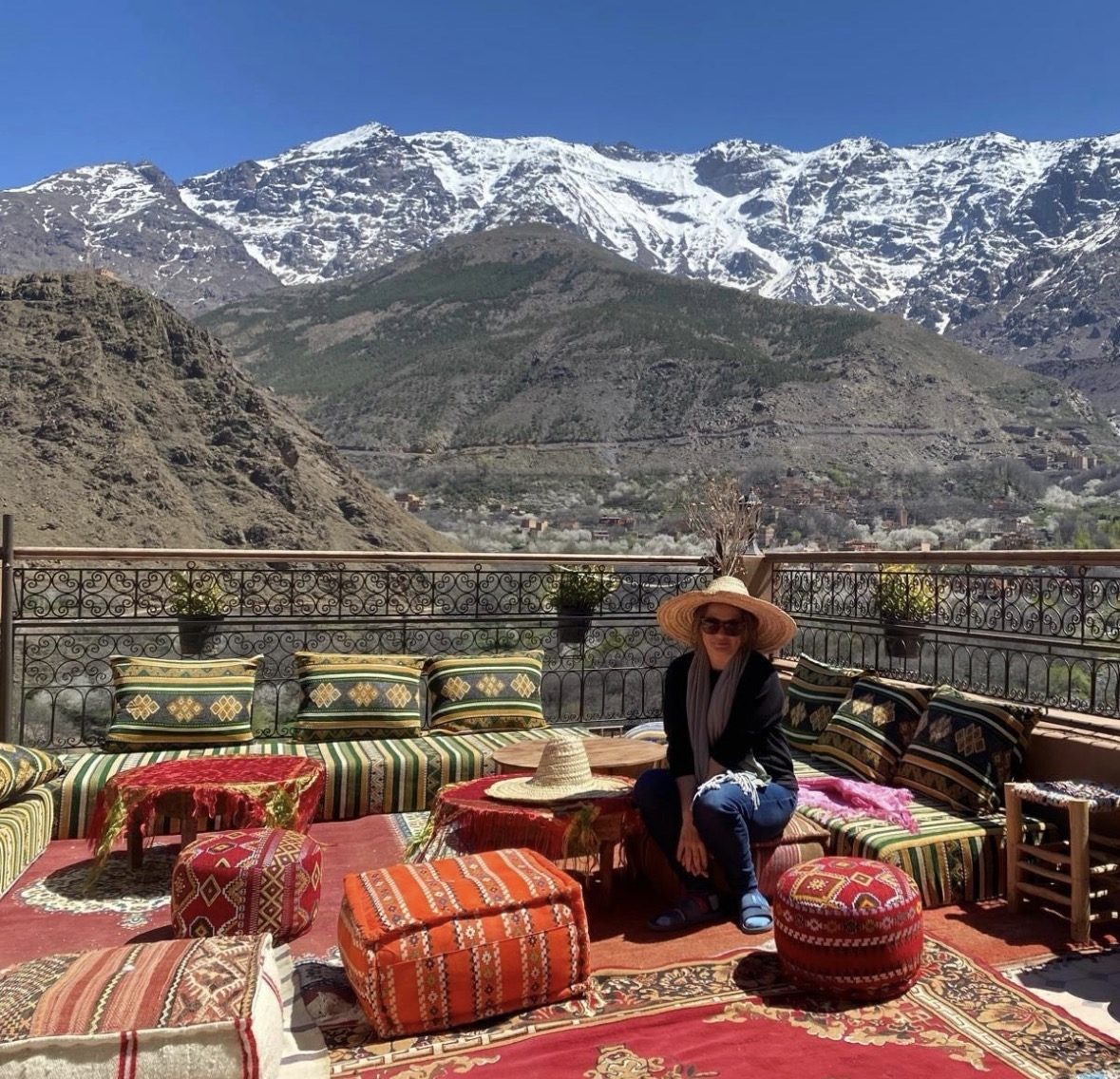
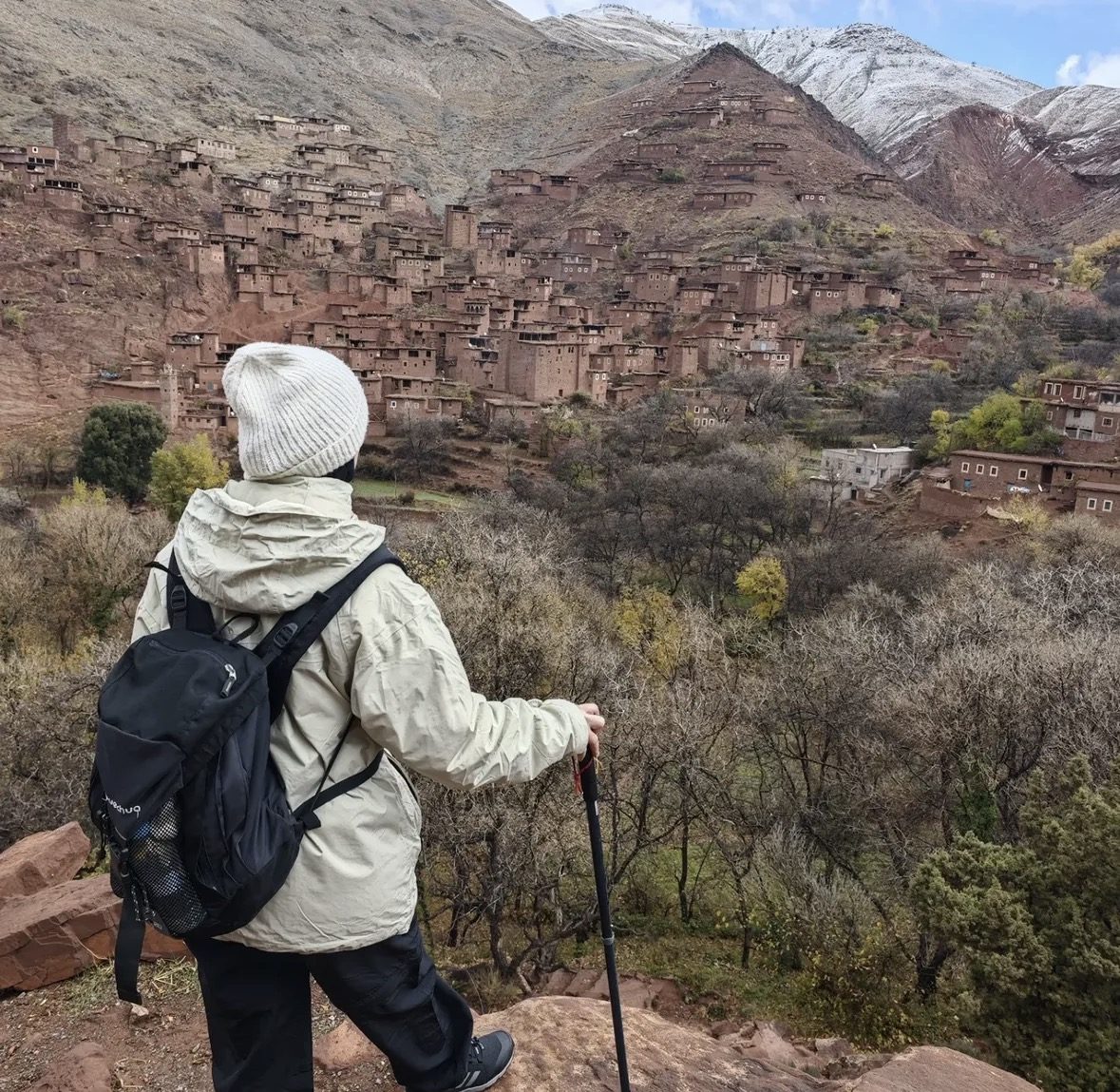
The indigenous Amazigh people, widely known as Berbers, have inhabited the Atlas Mountains for at least 5,000 years and remain the cultural heartbeat of the range today. Their name for themselves, Imazighen, means 'free people,' a fitting descriptor for communities who resisted conquest by Phoenicians, Romans, Arabs, and later European colonisers. Berber villages constructed from ochre-coloured pisé mud brick cling to steep hillsides throughout the High, Middle, and Anti-Atlas ranges. Each valley developed its own distinct dialect of Tamazight, the Berber language family, as well as unique weaving patterns, architectural styles, and agricultural traditions centred on ancient terraced fields and gravity-fed irrigation channels called khettaras.
The Atlas Mountains draw their very name from Greek mythology. According to ancient legend, Atlas was a Titan condemned by Zeus to stand at the western edge of the Earth and bear the heavens upon his shoulders for eternity. Greek and Roman writers, including Herodotus and Pliny the Elder, believed this towering North African range was the literal pillar holding up the sky. The mythological connection gave the mountains a mystical reputation across the ancient Mediterranean world, and the Atlantic Ocean itself derives its name from the same mythological figure. This rich intersection of geography and legend made the Atlas a place of wonder and mystery for Classical civilisation, drawing explorers and traders to its slopes for centuries.
The Almohad dynasty, a Berber Islamic reform movement founded in the High Atlas in the twelfth century, transformed the mountains from a remote refuge into the cradle of an empire that would stretch from West Africa to the Iberian Peninsula. Founded by Ibn Tumart near the village of Tin Mal around 1120 CE, the Almohads constructed a stunning mosque at Tin Mal that still stands as a UNESCO-listed monument. Their rise to power fundamentally shaped the culture, architecture, and religious identity of North Africa and Islamic Spain. The High Atlas thus served not merely as a backdrop to history but as its very engine, giving birth to one of the medieval world's most powerful and influential Islamic empires.
European interest in the Atlas Mountains intensified dramatically during the nineteenth century, as French and Spanish colonial ambitions brought explorers, cartographers, and soldiers into the region. France formally established its Moroccan protectorate in 1912, and the High Atlas presented one of its greatest administrative and military challenges. The powerful Glaoui clan, led by the legendary Thami El Glaoui, Pasha of Marrakech, allied with French forces and acted as intermediary rulers of the mountain communities until Moroccan independence in 1956. French military roads punched through previously inaccessible valleys, inadvertently opening the Atlas to outside visitors and laying the groundwork for the trekking infrastructure that welcomes adventurous travellers today.
The first recorded European ascent of Jebel Toubkal was made in 1923 by French climbers Marquis de Segonzac, Léon Gentil, and Vincent Berger, though Berber shepherds had undoubtedly reached its summit long before. The French alpine club, the Club Alpin Français, subsequently constructed a network of mountain refuges, most notably the Neltner Refuge at 3,207 metres — now known as Toubkal Refuge — which remains a vital rest stop for trekkers attempting the summit to this day. These early expeditions sparked international fascination with the Atlas and established Marrakech as the essential gateway city, a role it maintains with extraordinary vitality in the twenty-first century as millions of visitors pass through its gates each year.
Morocco gained independence from France and Spain in 1956, and the new nation quickly recognised the Atlas Mountains as a cornerstone of its tourism strategy and national identity. Investment in mountain trails, Berber guesthouses called dar and gîte accommodation, and mule track improvements accelerated from the 1970s onward. The Toubkal National Park, Morocco's first national park, was established in 1942 under the French protectorate and has since been carefully managed to protect its extraordinary biodiversity, including the endangered Barbary macaque and rare Atlas cedar forests. International trekking operators began offering guided expeditions from the 1980s, transforming the once-remote High Atlas into one of Africa's most accessible mountain destinations.
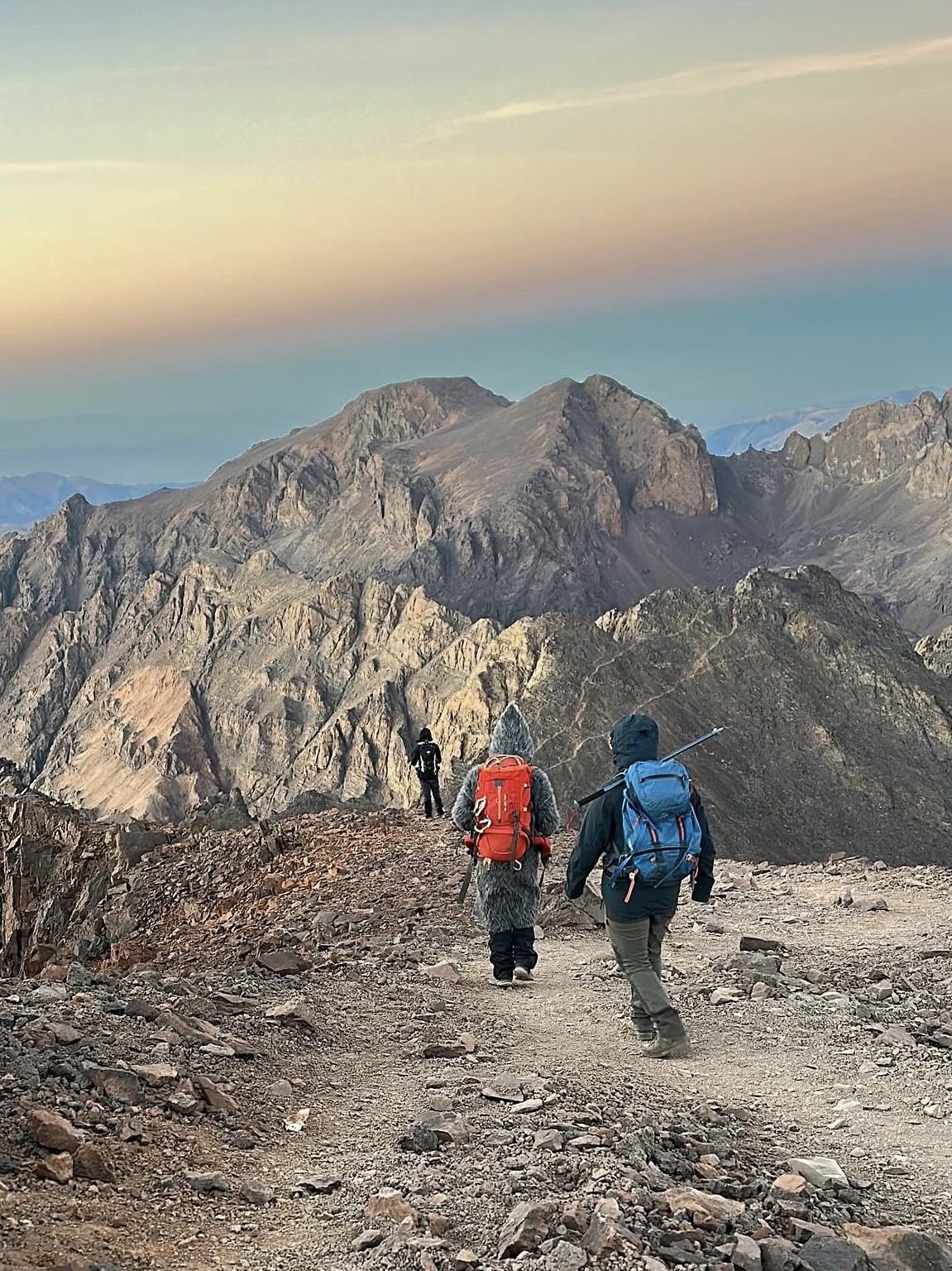
Today the Atlas Mountains offer travellers one of the world's most layered and rewarding mountain experiences. Trekkers from across the globe converge on Imlil village, just 60 kilometres from Marrakech, to begin multi-day ascents of Jebel Toubkal or explore the network of Berber valleys that radiate outward through the High Atlas. Traditional mud-brick kasbahs have been sensitively converted into boutique guesthouses where guests sleep beneath starlit skies and wake to the sound of river water rushing through ancient irrigation channels. Local guides, almost exclusively Amazigh Berbers, carry deep ancestral knowledge of the mountains and share stories, medicinal plant lore, and cooking traditions that have survived for millennia largely unchanged.
The Atlas Mountains remain one of the rare places on Earth where ancient and modern coexist without contradiction. Women still weave distinctive Berber carpets by hand in the same patterns their great-grandmothers created, while satellite dishes perch on pisé rooftops and solar panels power remote villages. The devastating earthquake of September 2023, which struck near the town of Ighil in the High Atlas with a magnitude of 6.8, caused tragic loss of life and significant damage to historic villages, but the resilience of Amazigh communities has been extraordinary. Visiting the Atlas Mountains today means contributing directly to the livelihoods of mountain families and helping to sustain a culture that has defined North Africa for thousands of years. Come and discover it for yourself.
Ready to Experience It Yourself?
Whether you dream of summiting Jebel Toubkal, sleeping in a traditional Berber guesthouse, or simply wandering through ancient valleys untouched by mass tourism, an expert-guided Atlas Mountains tour brings it all within reach. Our hand-picked local guides carry generations of mountain knowledge and will show you corners of this legendary range that no guidebook can fully capture. Book your Atlas Mountains experience today and walk in the footsteps of Titans.
Book Your Tour Now